
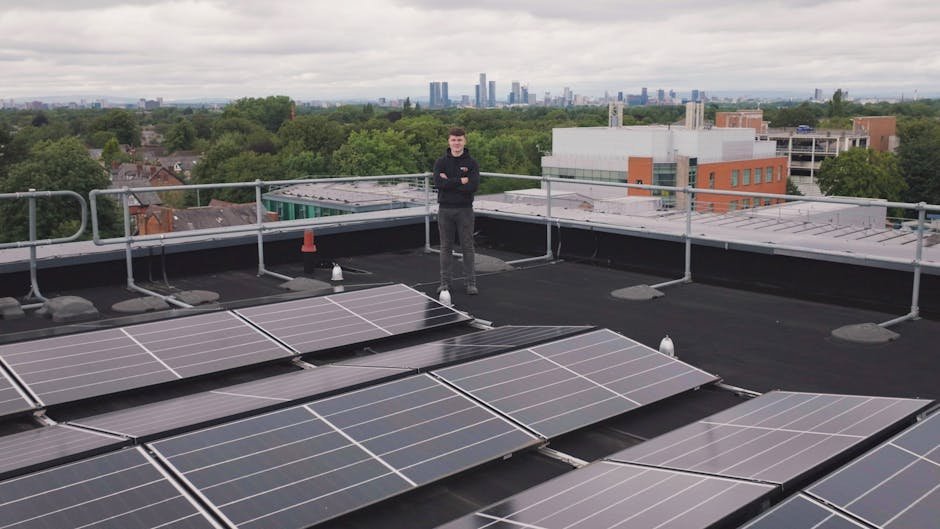
As Zambia continues to face energy challenges — from frequent load shedding to the lack of national grid access in rural areas — the demand for solar energy solutions is rising fast. Starting a solar panel installation business in Zambia is not only timely and profitable but also contributes to a cleaner, more reliable energy future.
Whether you’re a trained technician, an entrepreneur seeking a new opportunity, or someone looking to serve off-grid communities, this step-by-step startup guide will walk you through permits, tools, startup capital, skills, and strategies required to launch a successful solar installation business in Zambia.
Why Start a Solar Panel Installation Business in Zambia?
-
National demand: Over 60% of rural Zambia is still off the grid.
-
Load shedding: Urban areas are embracing solar for backup power.
-
Government support: Renewable energy is a national priority.
-
High margins: You can earn from both the sale and installation of solar systems.
-
Scalability: Start small with home setups and grow into commercial and agricultural installations.
Step-by-Step Guide to Starting a Solar Installation Business in Zambia
Step 1: Understand the Industry and Your Niche
Solar energy is broad. Focus on a specific niche where you can start small and grow steadily.
Government Incentives for Solar Energy Businesses in Zambia (2025 Official Guide)
Popular Niches Include:
-
Home solar systems (1kW–5kW)
-
Solar water pumps for farmers
-
Solar lighting kits for rural homes
-
Commercial backup systems (inverters + batteries)
-
Solar-powered boreholes
Tip: Start with home installations and basic setups before expanding into high-voltage systems.
Step 2: Learn the Technical Skills (If You’re Not Already Trained)
Even if you plan to hire technicians, you must understand the basics to quote jobs, explain systems to clients, and inspect work.
Learning Options:
-
Enroll in a short course from institutions like TEVETA-accredited centers, UNZA’s Renewable Energy Program, or local technical colleges.
-
Learn online via platforms like Coursera, YouTube, or Udemy (search: “Solar PV Technician Course”).
-
Intern with a small solar company for hands-on experience.
Must-Know Concepts:
-
DC vs AC
-
Inverter sizing
-
Battery storage types
-
Solar panel configurations
-
Safety protocols
-
Load assessments and system sizing
Step 3: Write a Business Plan
Your plan will guide your setup, costs, and growth trajectory. It doesn’t have to be complex.
Top 20 Small Business Ideas for Unemployed Graduates in Zambia (2025 Insight)
Your Business Plan Should Cover:
-
Your business model (sales + installation, or installation only?)
-
Target market (urban homes, rural farms, schools?)
-
Equipment suppliers (local vs import)
-
Marketing strategies (online, word-of-mouth, community events)
-
Pricing structure
-
Team setup (do you need a technician, a salesperson?)
-
Break-even point
-
Funding plan (self-funded or grant/loan?)
Step 4: Register Your Business
To operate legally and build trust, formalize your business.
Registration Steps in Zambia:
1. PACRA: Register your business name or company
-
-
Business name: ~ZMW 166
-
Limited company: ~ZMW 500–800
-
2. ZRA TPIN: Get a Taxpayer Identification Number
3. Napsa/Nhima: Register for statutory obligations (if hiring employees)
4. Energy Regulation Board (ERB) Certification: While not mandatory for small setups, having ERB recognition boosts credibility and allows participation in tenders or commercial projects.
5. Bonus: Join the Solar Industry Association of Zambia (SIAZ) for industry updates and networking.
Step 5: Acquire the Right Tools and Equipment
Basic Solar Installation Tools:
| Tool | Estimated Price Range (ZMW) |
|---|---|
| Digital multimeter | 300–800 |
| Wire strippers and cutters | 150–400 |
| Drill and bits | 800–2,000 |
| Ladder | 500–1,000 |
| Inverter tester | 500–1,200 |
| Solar cable (DC-rated) | Depends on system size |
| Protective gear (gloves, goggles, boots) | 300–600 |
Additional Items:
-
Charge controller testers
-
Soldering iron (for wiring)
-
Labeling machine (optional)
-
Vehicle for transport (eventually)
Startup Tools Budget: ~ZMW 5,000–15,000 depending on your scale
Step 6: Partner with Reliable Solar Equipment Suppliers
You’ll need a trusted supplier for:
-
Panels (monocrystalline or polycrystalline)
-
Inverters (off-grid, hybrid, grid-tied)
-
Batteries (lead-acid, lithium-ion, gel)
-
Mounting equipment
-
Charge controllers
Local Suppliers in Zambia Include:
-
VITALITE Zambia
-
Muhanya Solar
-
SolarQuest
-
Sollatek
-
DPA Zambia (for high-scale systems)
Tips When Choosing a Supplier:
-
Ensure warranty and after-sales service
-
Buy in bulk for discounts
-
Start with flexible MOQs (minimum order quantities)
Step 7: Build a Small Team (Optional)
If you are not installing yourself, build a basic team.
Ideal Team Setup:
-
You (owner/manager)
-
1 or 2 trained solar technicians
-
A part-time marketer or salesperson
-
A cashier/bookkeeper (optional at startup phase)
Budget for Salaries: Initially keep this lean. Pay technicians per job if possible to reduce fixed costs.
Step 8: Start Marketing and Building a Client Base
Your first 5–10 jobs are crucial. Focus on referrals, visibility, and trust.
Marketing Strategies That Work in Zambia:
-
Use Facebook groups, especially “Traders of Zambia” or “Home Owners Zambia”
-
Advertise on WhatsApp Status with before-and-after photos
- List your business on vertex directory website
-
Print flyers and distribute at churches, shopping centers, or rural events
-
Attend agricultural shows to network with farmers
-
Offer free site assessments or system sizing
-
Partner with hardware stores or electricians
Trust-Building Tip: Showcase successful projects on social media to build credibility.
Top 10 Reasons Business Directory Zambia is a Game-Changer for Local Growth
Step 9: Price Your Services Profitably
When quoting clients, consider:
-
Equipment cost
-
Transport and labor
-
Installation time
-
Profit margin (aim for 15%–30%)
Sample Pricing (as of 2025):
| System Type | Price Range (ZMW) |
|---|---|
| Basic 300W lighting kit | 2,000–3,500 |
| 1kW household setup | 8,000–12,000 |
| 3kW mid-tier system | 18,000–30,000 |
| 5kW+ hybrid system | 35,000–60,000 |
Always offer a written quote, installation warranty (3–6 months), and basic training for the user.
Step 10: Expand with Partnerships and Financing Options
As you grow:
-
Offer instalment payment plans through mobile money
-
Partner with microfinance institutions to finance customer systems
-
Connect with NGOs or cooperatives that need rural solar installations
-
Apply for CEEC green energy funding or World Bank off-grid programs
Long-Term Growth Ideas:
-
Launch a solar retail shop at your home or roadside
-
Sell solar lights, fans, radios, or solar TVs
-
Develop agriculture solar kits for pumps and irrigation
Startup Capital Breakdown (Estimates)
| Expense Item | Estimated Cost (ZMW) |
|---|---|
| PACRA, ZRA, and registrations | 700–1,000 |
| Training (if needed) | 1,500–4,000 |
| Basic tools | 5,000–10,000 |
| Sample system stock (1–2 jobs) | 10,000–20,000 |
| Marketing (branding, flyers) | 500–1,000 |
| Transport/logistics float | 1,000–2,000 |
| Total Estimate: | ZMW 18,000–38,000 |
You can start leaner if you do installations only and let customers buy their own equipment.
Common Challenges and How to Overcome Them
| Challenge | Solution |
|---|---|
| Customers fear fake products | Work with known brands and give installation warranties |
| Lack of capital | Offer services-only model first (labor only), or start with small jobs |
| Technical errors | Get trained or work under mentorship for the first 3–5 jobs |
| Low rural awareness | Do community demos and partner with churches or cooperatives |
Final Thoughts: Light Up Zambia, One Roof at a Time
The solar industry in Zambia is growing fast — but it’s still full of unserved communities, urban households tired of blackouts, and farmers needing energy. Starting a solar panel installation business today is about more than profit — it’s about empowerment, sustainability, and becoming part of Zambia’s energy future.




0 Comments